Siem Reap vs Phnom Penh: Kje Bivati?
Dve zelo različni kambodški izkušnji.
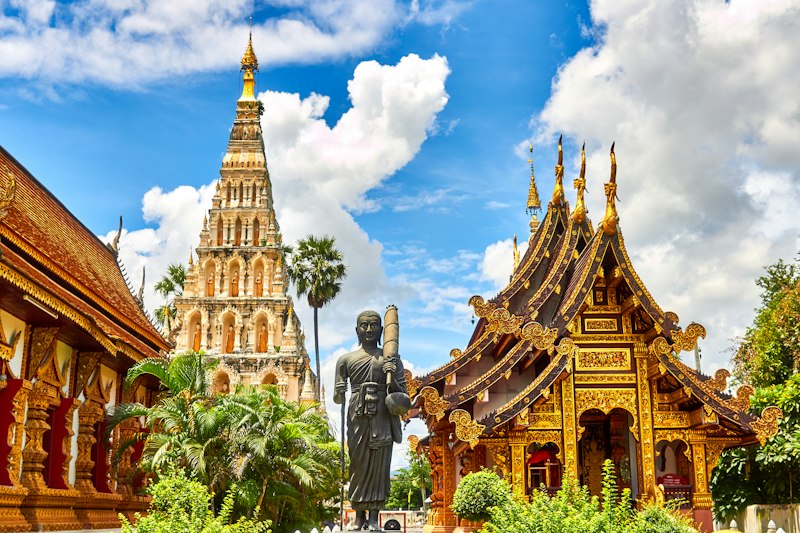
To vprašanje se nenehno postavlja, in iskren odgovor je: sta si tako različni, da ju primerjati nima skoraj smisla. Kot bi vprašali, ali rajši obiskujete gozdove ali mesta. Obe sta Kambodža, a počneta povsem različne stvari.
Kljub temu imate verjetno omejen čas in se morate odločiti. Tukaj je prava razlika.
Na Kratko
Siem Reap: Tempeljsko Mesto (Ki je Odraslo)
Siem Reap obstaja zaradi Angkor Wata. Celotno mesto je zgrajeno okoli dejstva, da milijon turistov letno pride ogledat tempelje, in to počne zelo dobro. Pub Street ponuja enostavno nočno življenje — bar Angkor What? je tam od leta 1998, vedno je kaj odprto. Območje Old Market je dostopno peš. Angleščina se govori povsod. Tuk-tuk vozniki poznajo vsak tempelski krog.
Kar je Siem Reap postal onkraj templjev: resnično dobra kulinarična scena, kavarska kultura, majhna a prava skupnost ekspatov. Mesto je dovolj kompaktno, da ga prečkate peš v 20 minutah. Izgubiti se je praktično nemogoče.
Kritika, da je Siem Reap »preveč turistično«, je delno resnična in pretirana. Da, Pub Street je namenjena turistom. Dve ulici naprej ste v navadnem kambodžanskem sosedstvu. Mesto ve, kaj je, in se za to ne opravičuje.
Phnom Penh: Prava Kambodža
Prestoloinca je država na način, ki Siem Reap ni. Tukaj Kambodžani delajo, upravljajo, jedo in gradijo. Rečna promenada (Sisowath Quay) je ponoči lepa. Četrt BKK1 ima ene najboljših restavracij v državi. Francoski kvartal ima razpadajočo kolonialno arhitekturo, ki nekako še stoji.
In potem je tu zgodovina. Muzej genocida Tuol Sleng (zapor S-21) in Choeung Ek (Polja smrti) nista turistični atrakciji v običajnem smislu. Sta pomembni, vznemirljivi in tja bi morali iti. Obdobje Rdečih Kmerov se je končalo leta 1979 — znotraj žive spomina — in Phnom Penh je kraj, kjer to čutite najbolj neposredno.
Phnom Penh je glasnejši, bolj kaotičen, bolj zmeden kot Siem Reap. Vozniki tuk-tukov ne poznajo vedno naslova, kamor greste. Promet v konicah je resnično težaven. To ni slabost — to je samo mesto, ki počne mestne stvari.
Pot Med Mestoma
Avtobus: Giant Ibis je najboljši prevoznik, ok. 12–15 $, 6 ur od vrat do vrat. Udobno, zanesljivo, doplačilo nad cenejšimi možnostmi se splača.
Let: 40-minutni polet, 40–80 $, odvisno od časa. Smiselno, ko je vaš čas kratek.
Poštena Ocena
Če obiščete Kambodžo prvič, začnite v Siem Reapu. 3–4 dni za tempelje, en dan za vse ostalo. Potem vzemite Giant Ibis v Phnom Penh za 2–3 dni.
Če imate čas samo za eno mesto in ste prišli zaradi Angkor Wata: Siem Reap. Brez dvoma.
Če ste Angkor Wat že videli ali želite razumeti Kambodžo onkraj templjev: Phnom Penh je tisto, ki ostane z vami dlje.
→ Preberite: Best Time to Visit Angkor Wat
→ Preberite: 15 Things to Do in Siem Reap Beyond the Temples
| Category | Siem Reap | Phnom Penh |
|---|---|---|
| Main Attraction | Angkor Wat temples | Royal Palace, history |
| Atmosphere | Tourist-friendly, relaxed | Bustling capital city |
| Nightlife | Pub Street (fun, touristy) | Riverside bars, clubs |
| Food Scene | Tourist restaurants | Diverse, local gems |
| Budget/Night | $30-50 | $25-40 |
| Mid-range/Night | $50-100 | $40-80 |
| Best For | Temple lovers, families | Culture seekers, foodies |
| Min. Days Needed | 3-4 days | 2-3 days |