Сием Рип vs Пном Пень: Где Остановиться?
Два очень разных камбоджийских опыта.
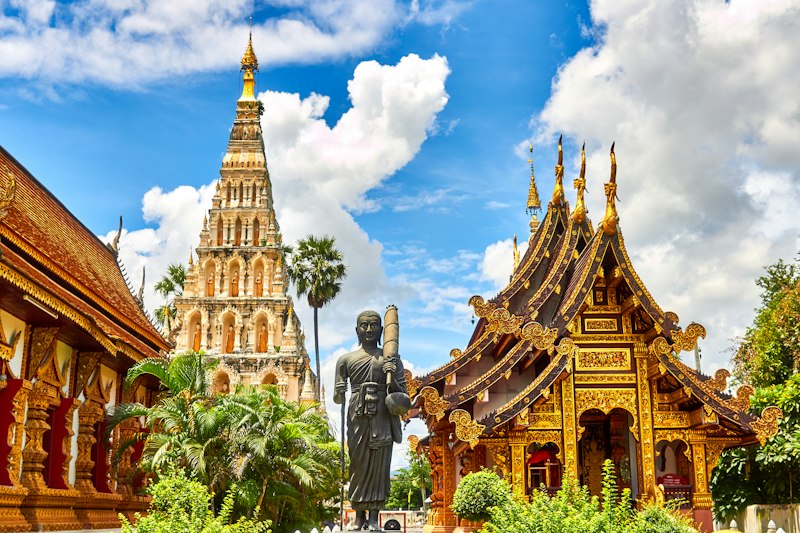
Этот вопрос задают постоянно, и честный ответ таков: они настолько разные, что сравнивать их почти бессмысленно. Это всё равно что спросить, леса вы предпочитаете или города. Оба — Камбоджа, но они делают совершенно разные вещи.
Тем не менее, у вас, скорее всего, ограниченное количество дней и нужно сделать выбор. Вот в чём реальная разница.
Коротко
Сием Рип: Город Храмов (Который Повзрослел)
Сием Рип существует благодаря Ангкор-Вату. Весь город построен вокруг того факта, что миллион туристов в год приезжают смотреть на храмы, и город справляется с этим очень хорошо. Паб-Стрит — простая ночная жизнь: бар Angkor What? работает с 1998 года, что-то открыто всегда. Район Старого рынка доступен пешком. Английский слышен повсюду. Водители тук-туков знают каждый маршрут по храмам.
Чем Сием Рип стал помимо храмов: действительно хорошая ресторанная сцена, кофейная культура, небольшое, но настоящее сообщество экспатов и долгосрочных путешественников. Город достаточно компактный — можно пройти его из конца в конец за 20 минут. Потеряться практически невозможно.
Критика о том, что Сием Рип «слишком туристический», отчасти справедлива и отчасти преувеличена. Да, Паб-Стрит рассчитана на туристов. Через два квартала вы оказываетесь в обычной кхмерской жилой жизни. Город знает, что он такое, и не извиняется за это.
Пномпень: Настоящая Камбоджа
Столица — это страна в том смысле, в каком Сием Рип ею не является. Здесь камбоджийцы работают, управляют, едят и строят. Набережная (Sisowath Quay) красива ночью. В районе BKK1 — одни из лучших ресторанов страны. В Французском квартале стоит разрушающаяся колониальная архитектура, которая каким-то образом всё ещё держится.
И ещё — история. Музей геноцида Туол Сленг (тюрьма S-21) и Чоэнг Эк (Поля смерти) — не туристические достопримечательности в обычном смысле. Они важны, они тревожат, и туда нужно сходить. Период красных кхмеров закончился в 1979 году — в рамках живой памяти — и Пномпень — это место, где вы ощущаете это наиболее непосредственно.
Пномпень шумнее, хаотичнее и запутаннее Сием Рипа. Водители тук-туков не всегда знают адрес, куда вам нужно. Пробки в час пик действительно сложные. Это не недостаток — это просто город, делающий городские вещи.
Маршрут Между Городами
Автобус: Giant Ibis — лучший перевозчик, около 12–15 $, 6 часов от двери до двери. Комфортно, надёжно, переплата над дешёвыми вариантами оправдана.
Самолёт: 40-минутный перелёт, 40–80 $, в зависимости от времени. Имеет смысл, если ваше время ограничено.
Честный Вывод
Если вы впервые в Камбодже, начинайте с Сием Рипа. 3–4 дня на храмы, один день на всё остальное. Затем Giant Ibis в Пномпень на 2–3 дня.
Если есть время только на один город, и вы приехали ради Ангкор-Вата: Сием Рип, без вариантов.
Если вы уже были в Ангкоре или хотите понять Камбоджу за пределами храмов: Пномпень — это тот город, что остаётся с вами дольше.
→ Читать: Best Time to Visit Angkor Wat
| Category | Siem Reap | Phnom Penh |
|---|---|---|
| Main Attraction | Angkor Wat temples | Royal Palace, history |
| Atmosphere | Tourist-friendly, relaxed | Bustling capital city |
| Nightlife | Pub Street (fun, touristy) | Riverside bars, clubs |
| Food Scene | Tourist restaurants | Diverse, local gems |
| Budget/Night | $30-50 | $25-40 |
| Mid-range/Night | $50-100 | $40-80 |
| Best For | Temple lovers, families | Culture seekers, foodies |
| Min. Days Needed | 3-4 days | 2-3 days |
Остановиться в Сием Рипе?
Наша частная вилла - идеальная база для ваших храмовых приключений.
Смотреть Виллу