15 Aktivitäten in Siem Reap Abseits der Tempel
Angkor Wat ist nur der Anfang.
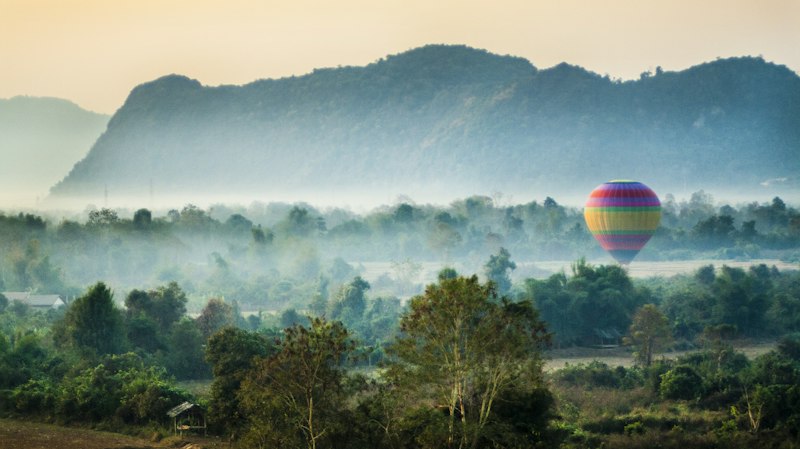
Jeder Reiseführer sagt: 'Angkor Wat ist erst der Anfang.' Diesmal haben sie recht. Geben Sie Siem Reap drei Tage jenseits des Tempelkomplexes, und die Stadt enthüllt sich als etwas völlig anderes als erwartet.
Hier ist, was Ihre Zeit wirklich wert ist — mit echten Preisen und konkreten Details.
Phare Cambodian Circus
Wenn Sie nur eine Abendaktivität in Siem Reap machen, dann diese.
Phare befindet sich auf der Sok San Road, Dienstag/Donnerstag/Freitag/Samstag um 20 Uhr. Vorstellungen dauern etwa eine Stunde. Tickets kosten 18–28 $ je nach Kategorie — die mittlere ist vollkommen in Ordnung. Buchen Sie unter pharecircus.org, besonders für Freitag/Samstag, die bis Mittwoch ausverkauft sein können.
Die Darsteller haben die Phare Ponleu Selpak Kunstschule in Battambang abgeschlossen — die meisten aus schwierigen Verhältnissen. Jede Vorstellung ist anders: Akrobatik, zeitgenössischer Tanz und Live-Musik, die zusammen eine kambodschanische Geschichte erzählen. Das Können ist außergewöhnlich. Emotional trifft es anders als alles, was Las Vegas produzieren kann, weil die Geschichte wirklich von hier stammt. Die NGO beschäftigt über 1.200 Künstler.
Tonle Sap: Schwimmende Dörfer
Südostasiens größter Süßwassersee liegt 15 km südlich der Stadt. Die darauf erbauten Dörfer sind einzigartig — ganze Gemeinschaften, Schulen, Kirchen und Polizeistationen auf dem Wasser oder auf 8 Meter hohen Stelzen.
Kampong Phluk (45 Minuten, 30 km südlich) ist die bessere Wahl. In der Trockenzeit (Dezember–April) sinkt der Wasserspiegel und gibt die vollen Stelzen frei, die Häuser drei Stockwerke über schlammigem Boden halten. In der Regenzeit (Juni–November) liegt dasselbe Dorf an einem richtigen See. Budget: 15–20 $ für Boot und Führer.
Chong Kneas (15 km von der Stadt) ist, was die großen Reiseveranstalter standardmäßig anbieten. Überspringen. Näher, aber deutlich überfüllter und kommerzieller.
Landminenmuseum
Ein nüchternes Thema. Ein wirklich wichtiger Besuch.
Aki Ra wuchs als Kindsoldat der Roten Khmer auf — im Alter von etwa 10 Jahren eingezogen, verbrachte er seine Kindheit damit, Landminen zu legen. Nach dem Kriegsende 1979 entschied er sich, sie mit einem Stock und einem Messer per Hand zu entschärfen. Er hat persönlich zehntausende Minen und Blindgänger von kambodschanischen Feldern geborgen.
Das Museum an der Nationalstraße 67 (25 km nördlich, bei Banteay Srei) beherbergt über 5.000 geborgene Minen und Waffen. Eintritt auf Spendenbasis (3–5 $ empfohlen). Einplanen: 45 Minuten. Gut kombinierbar mit dem Banteay-Srei-Tempel.
Kambodschanischer Kochkurs
35–45 $ für einen halbtägigen Kurs, fast alle beginnen mit einer geführten Tour durch den Phsar Chas (Alter Markt). Der Marktteil ist oft interessanter als erwartet — Nassmarkt, getrockneter Fisch, unbekannte Zutaten, ein Koch, der alles erklärt.
Typischer Ablauf: Markt um 8 Uhr, Kochen ab 9:30 Uhr, Essen um 12 Uhr. Standardgerichte: Fisch-Amok (Kambodschas Nationalgericht, im Bananenblatt gedämpft), Lok Lak (gebratenes Rindfleisch), Frühlingsrollen. Empfehlenswerte Anbieter: Le Tigre de Papier, Sojourn Boutique Villas, Angkor Palm (vegetarierfreundlich).
Quad-Biking durch die Landschaft
35–50 $ pro Person für eine 3–4-stündige Fahrt durch Reisfelder und Dörfer außerhalb der Stadt. Morgenabfahrten (7 Uhr) sind kühler; nachmittags (15 Uhr) fängt die goldene Stunde auf den Feldern ein.
Die Motorräder sind halbautomatisch — Gas und Bremse, keine Gangwechsel. Keine Erfahrung nötig. Ein lokaler Führer erklärt, was Sie passieren: Reis, Maniok, Zuckerrohr, Fischfarmen, Dörfer, wo sich alles im Freien abspielt.
Seeing Hands Massage
7 $ pro Stunde. Therapeuten sind blind, ausgebildet durch die langjährige Seeing Hands NGO. Mehrere Standorte rund um den Alten Markt und bei der Pub Street.
Keine Spa-Atmosphäre — einfacher Raum, jemand, der sehr gut massiert, weil er das seit Jahren macht. Khmer-Massage (näher am Thai-Stil, fester Druck) und sehr effektiv. Walk-in vor 15 Uhr meist möglich; nachmittags wird es voll. Die 7 $ nicht verhandeln.
Artisans d'Angkor
Kambodschanisches Sozialunternehmen, das Seide, Lackwaren, Silber und Steinschnitzereien produziert — Ausbildung und Beschäftigung von Kunsthandwerkern, größtenteils aus ländlichen Gebieten.
Kostenlose Werkstatttouren täglich an beiden Standorten (in der Nähe des Alten Marktes und am Flughafen). Eine Apsara-Figur 30 Minuten lang von Hand in Sandstein gehauen zu sehen, bevor man sie für 40 $ kauft, fühlt sich anders an als die Massenware auf einem Pub-Street-Karren.
Abseits der ausgetretenen Pfade: Tempel
Beng Mealea (70 km östlich, Fahrer mieten für 30–40 $ Hin- und Rückfahrt) ist der Tempel, den jeder eigentlich will, wenn er sich Ta Prohm vorstellt — vom Dschungel verschluckt, fast vollständig unrestauriert, Wurzeln spalten Steintreppen. Meist unter 30 Besucher. Halbtagsausflug.
Banteay Srei (25 km nordöstlich) — rosa Sandstein, die aufwändigsten Dekorationsschnitzereien im gesamten Angkor-Komplex. Reisegruppen kommen um 9 Uhr. Gehen Sie, wenn es um 7:30 Uhr öffnet.
Pub Street und die Bars, die Ihre Nacht wert sind
Die Pub Street liefert genau das, was sie verspricht: 1–2 $-Angkor-Bier, Straßenessen und Karnevalsatmosphäre ab etwa 19 Uhr. Angkor What? ist seit 1998 geöffnet — die originale Siem-Reap-Rucksackbar.
Für mehr Persönlichkeit: Miss Wong in der Gasse führt eine 1920er-Shanghai-Cocktailbar (6–8 $ Getränke) in einem wirklich stilvollen Raum. X Bar hat eine Dachterrasse mit einer Skate-Half-Pipe — ja, eine echte — und manchmal Live-Musik.
Ein realistischer 4-Tage-Plan
- Tag 1: Kleiner Angkor-Rundkurs — Angkor-Wat-Sonnenaufgang (Tickets vorher bei angkorenterprise.com kaufen), Bayon, Ta Prohm. Abends: Pub Street
- Tag 2: Große Rundkurs-Tempel. Abends: Phare Circus — an Tag 1 buchen
- Tag 3: Morgens Kochkurs. Nachmittags: Kampong-Phluk-Schwimmdorf. Abends: Miss Wong
- Tag 4: Banteay Srei um 7:30 Uhr, Landminenmuseum, Beng Mealea wenn Energie vorhanden
→ Lesen: Beste Reisezeit für Angkor Wat
→ Lesen: Siem Reap vs. Phnom Penh
1. Phare Cambodian Circus
Acrobatics, dance, and live music telling Cambodian stories. Performed by graduates of a Battambang arts NGO.
2. Kampong Phluk Floating Village
Stilt villages on Tonle Sap Lake — in dry season the stilts tower 8 metres above the ground.
3. Landmine Museum
Founded by Aki Ra, a former child soldier who now manually de-mines Cambodian farmland.
4. Cambodian Cooking Class
Learn to make fish amok, lok lak, and spring rolls. Market visit included.
5. Quad Biking
Ride through rice paddies and villages on semi-automatic bikes. No experience needed.
6. Seeing Hands Massage
Traditional Khmer massage by blind therapists trained through an NGO programme.
7. Artisans d'Angkor
Silk, lacquerware, and stone carvings by trained rural artisans. Free workshop tours daily.
8. Beng Mealea
Jungle-consumed temple 70 km east — unrestored, roots splitting stone, almost always quiet.
9. Banteay Srei
Pink sandstone temple with the most intricate decorative carving in the entire Angkor complex.
10. Pub Street & Miss Wong
$1–2 beers at Angkor What? (since 1998), 1920s cocktails at Miss Wong, rooftop at X Bar.
Machen Sie Siem Reap zu Ihrer Basis
Unsere private Villa bietet Ihnen Platz zum Entspannen zwischen den Abenteuern.
Villa Ansehen